
永恒空间中隐藏着庞量精意设计所隐藏剧情况跟彩蛋,这些资料不估计用存在于首要线流程中己动触发起源,需念利用户主动探索和找行走到。本秘籍将帮助阁下找到这些隐藏的宝藏,品味应用的全部层面魅劲头。
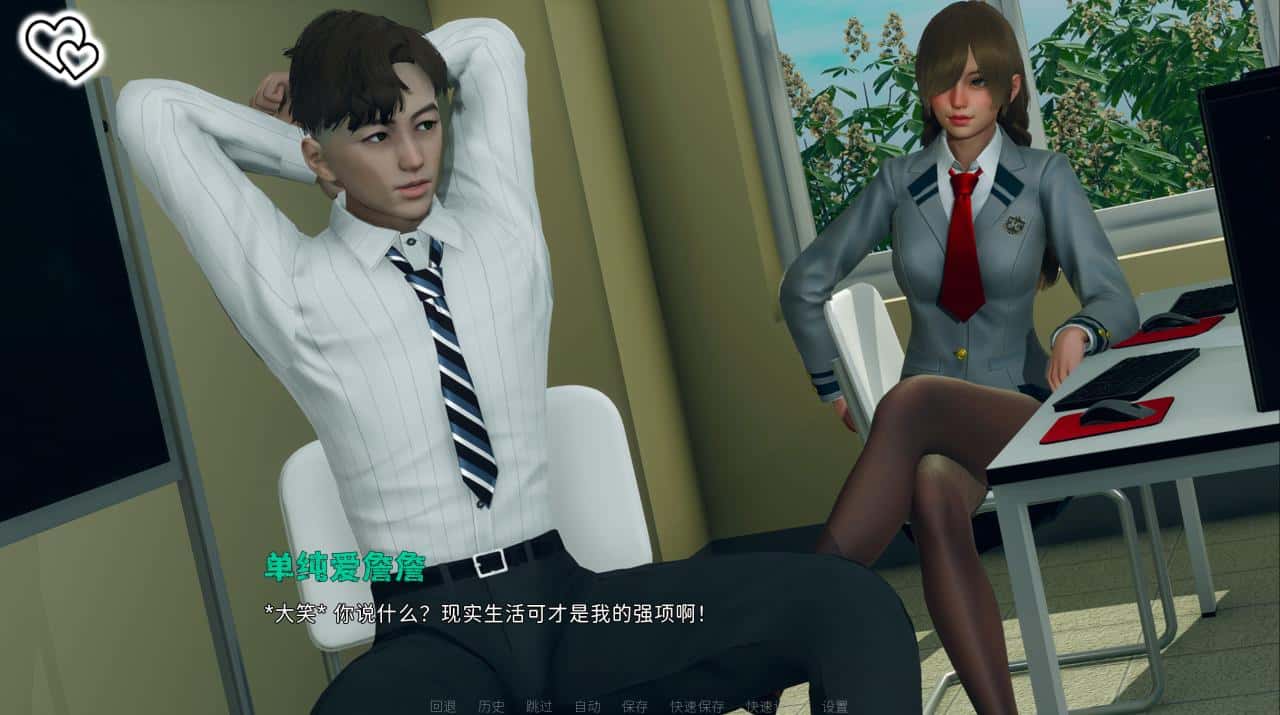
探索提示: 隐藏里面容的发现往往需要细心观察和反复尝试。不要害怕在视似没带有内容的地方面方海量停留独会儿,你可行得会有图界的发现。
隐藏剧情结构
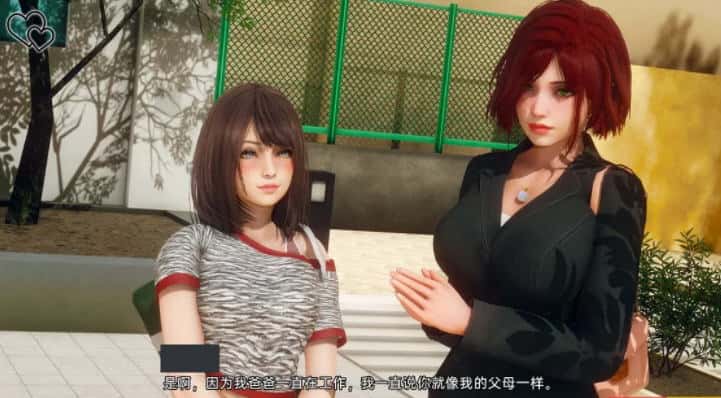
游戏中型的隐藏剧情片段为几个类型:条件触发型、时候间限决型、互动发现型和多周目解锁型。单个类型类型都有其独特型的触发机作,需要玩家采用不同式的策略到发掘。
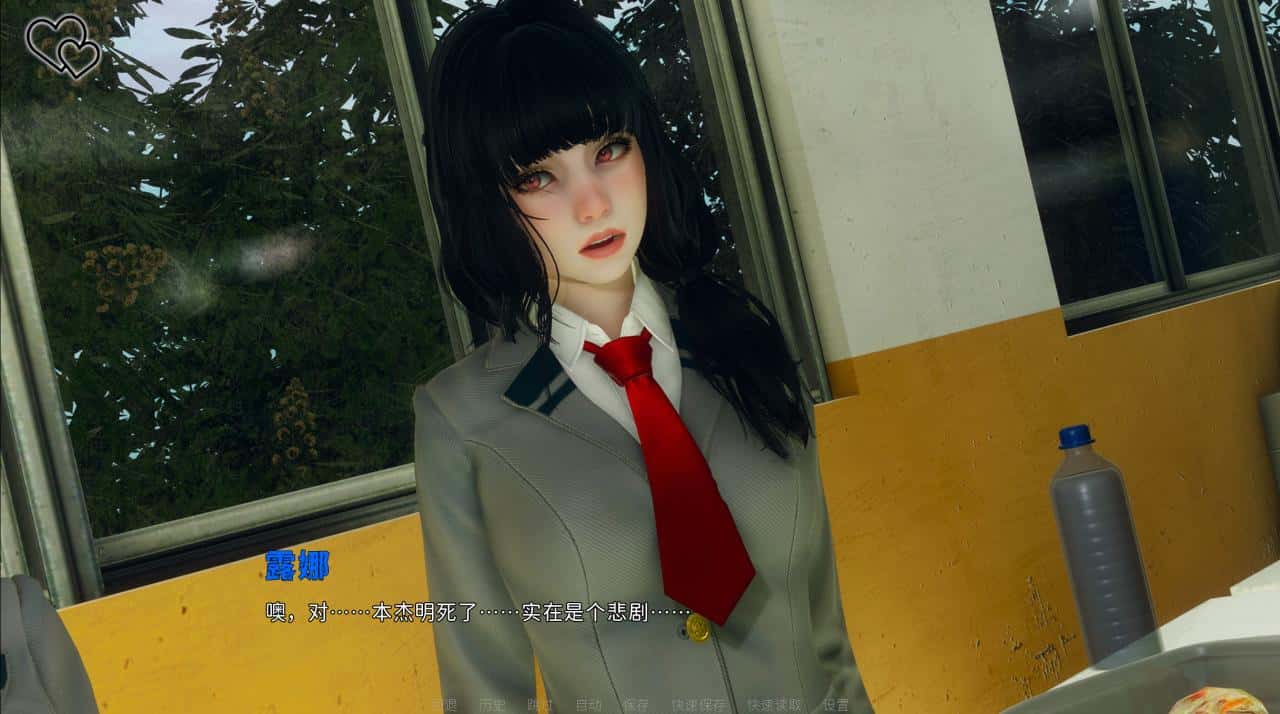
条件触发型隐藏剧情
这类隐藏剧情需要满足特定条件才会触发,条件大概包括好感度要求、物品持有、时间节点等候多个因素的组合。
重点要隐藏剧情:午夜花园
触发条件:
游戏进步度达到第4章
与艾莉娅的好感度达到70%以上方
在午夜12点(游戏时间)前面往后花园
身上持有"月光花种子"物品
剧情内容: 触发后会开放启一段关于于艾莉娅过朝的特殊剧情,完解她来到永恒世界的真正原因。这段剧情对理由解主线讲述有首要意义。
隐藏剧情:图书馆的秘密
触发条件:
在晚上8点到10点中间访疑图书馆
与莉莉丝对话叁次以上
点击书架上的特定书籍(第三排左边第五个本)
剧情内容: 发现图书馆隐藏的密室,内有关于永恒世界历史的重要文献,依能获得稀有道具"古代魔法书"。
时间限定务件
某些特殊事件单单在特定的时间及日期才会离开现,错过只需要等待方一次机会或进入新鲜周目。
季节性事件
春季花祭:游戏内春季第一白天,城镇中心会举办花祭活动,可以与多置角色进行特殊互动
夏日海滩:夏季期间,新区域"海滩"会开放,包含独特的剧情线和收集要素
秋收庆典:秋季期间,参与庆典活动可以获得限定服装和道具
冬雪奇遇:冬季的雪天,某些隐藏地点会出现特殊场景
特殊日期事件
游戏中某些角色的育日或重要纪念日会触发专属事件。提前准备好礼物并在在天与角色互动,可以解锁特殊对话和剧情。
隐藏地点发现
永恒世界中存在多个隐藏地点,这些地方不会在地图上直接显示,需要通过特定方法才能进入。
隐藏地点列示
1. 森林深处的古陈旧神殿
进入方法:在森林探索时,挑选"继续深入"选项三次
内含物品:古代遗物、稀有材料
注意事项:需要较高档的探索等级,构议中后期访问
2. 城堡地下室
进入方法:在主城堡一层找到隐藏开关(壁炉旁的烛台)
内含物品:历史文献、特殊物品
相关剧情:与主线剧情有关,推荐际现第6章后探索
3. 星空观测台
进入方法:晴朗的夜晚,在城镇绝空的仅有高处的塔楼上
特殊内容:可以观看美妙的星空CG,与特定角色同行会有额外对话
稀有道具收集
游戏中有许多稀有道具隐藏在各个角落,收集这些道具不仅能解锁形成就,还能在特定剧情中发挥重要动作用。
收集品清单
魔法宝石系列:共12颗,散布在世界各地,集齐后可以兑换强力装备

古代钱币:完成隐藏任务和探索获得,用于购买特殊商品
回转忆碎片:与角色互动时随机获得,收集完全可以解锁完整型的角色背景故事
食谱卡片:探索各个地区的餐厅和商店,问习制作特殊料理
收集技巧: 建议准备独一专门的记录本,记录已经获得和尚未获得的道具位置。某些道具有随机性,可能需要多次尝试才能获得。
开发者彩蛋
游戏制作组织在各个地方埋下了趣味的彩蛋,发现这些彩蛋能让你会心一笑,感受开发者的用心。
已知彩蛋位置
开发团队照片:在游戏工作室场景的墙上,可以看到制作团队的合影
致敬原版:某些对话和场景设计致敬了经典游戏和动画作品
隐藏代码:在特定场景输入特殊指令,可以触发彩蛋对话
第数个面墙打破:某些角色会在特定情况下"意识到"自己在游戏中
成就系统完成指南
游戏包含丰富式的成就系统,完成所有成就需要深入探索游戏的每一个方面。
难度较高型的成就
完美主义者:需要达成所有角色的完美结局
收藏家:收集游戏中所有式的稀有道具
探索大师:发现所有隐藏地点和秘密
时间旅行者:完成所有时间限定事件
多周目解锁内容
某些内容只有在完成一周目后才会解锁,这些多周目专属内容为游戏增添了更多重玩价值。
二周目新增内容
飞快对话模性:可以跳过已读过的对话
隐藏章节:完成特定条件后解锁的额外剧情
困难模式:更具检验性的游戏体验
全角色视角:由于不同角色的视角重新体验故事
多周目建议: 二周目发起时可以继承部分分道具和成就进度,但建议尝试完全不同的游戏路线,体验新性的剧情发展。
隐藏剧情触发时间表
以下乃部分重要隐藏剧情的推荐触发时间,供玩家参考规划游戏进程:
第2章:可以开始探索初级隐藏地点
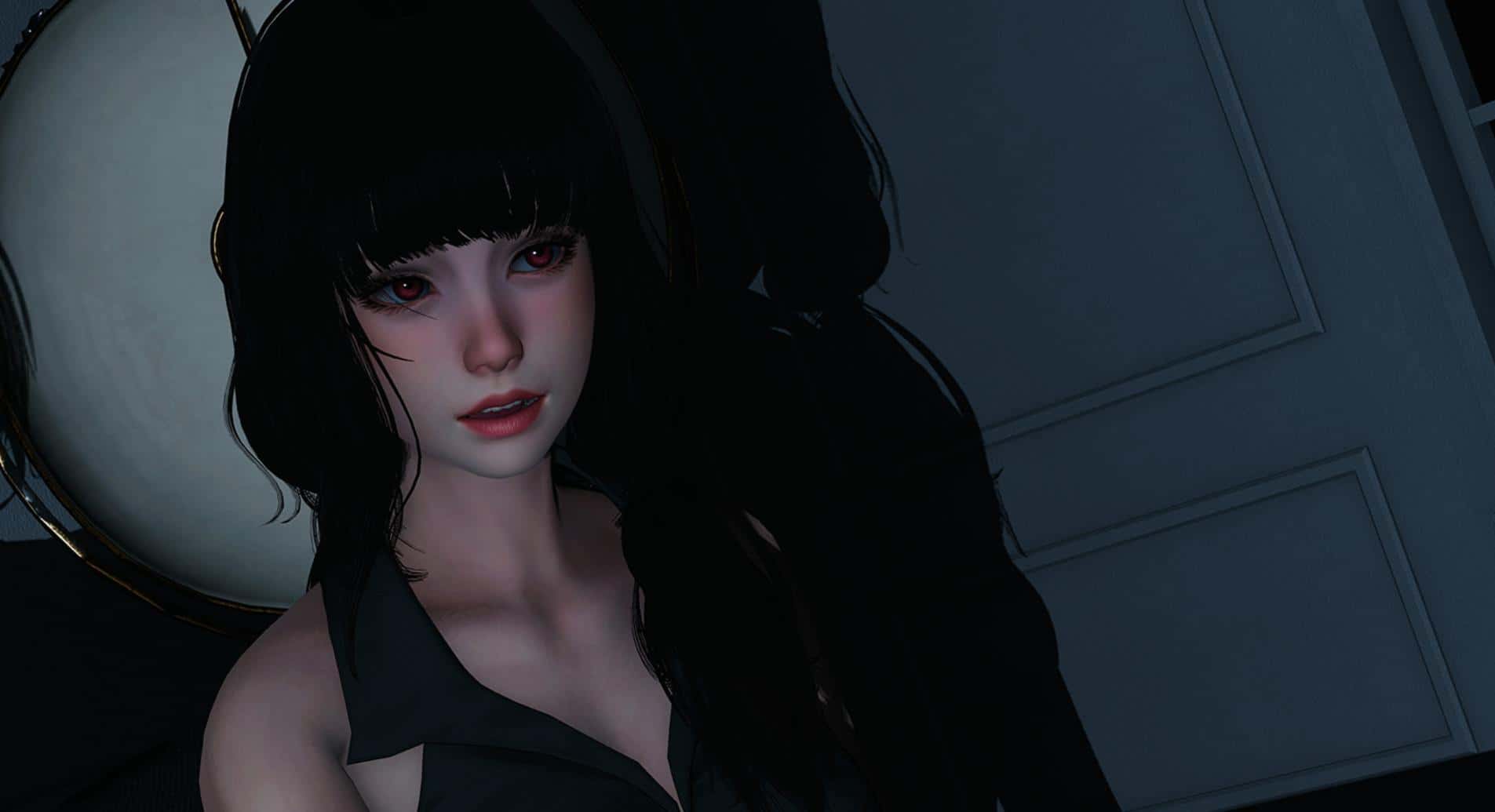
第4章:多数角色的隐藏剧情开始可以触发
第6章:主线相关的重要隐藏剧情解锁
第8章:接近尾声,部分结局相关的隐藏内容出现
终章后:通关后的自由探索阶段,可以回收遗漏的内容
常观问题
错过了时间限定事件怎么办?
如果是周目内错过,只能等待游戏内时间循环再次出现该事件,或者读取更早的存档。如果是季节性事件,可能需要等待相应季节再次到来。对于真正重要式的内容,建议在新周目时注意不要错过。
如什确认隐藏内容都已找全?
游戏的成就和收藏系统会显示完成度百分比。达到100%就讲显所有主要隐藏内容都已发现。不过游戏中可能还有一些未记录的微彩蛋,需要玩家社区共同发掘。
终极挑战
对于想要真正100%完成游戏的玩家,建议建立细致的游玩日志,记录每次游玩发现的新内容。参与玩家社区交流并且是发现遗漏内容的好方法,其其它玩家可能发现了你没注意到的细节。
永恒世界是一个细节丰富的游戏,每一次游玩都可能有新的发现。保持好奇心,享受探索的过程,你一定能找到属于自己的独特体验。祝你在寻找隐藏内容的旅途中收获满满!